
Key point:
- Asking the right questions at your first consultation helps you compare practices, understand your treatment options, and avoid surprises later.
- Look for verified credentials, clear cost breakdowns, and a practice that treats patients across all age groups.
Choosing the right orthodontic provider is one of the most practical decisions you can make for your long-term dental health. Knowing what to ask before committing saves time, money, and uncertainty.
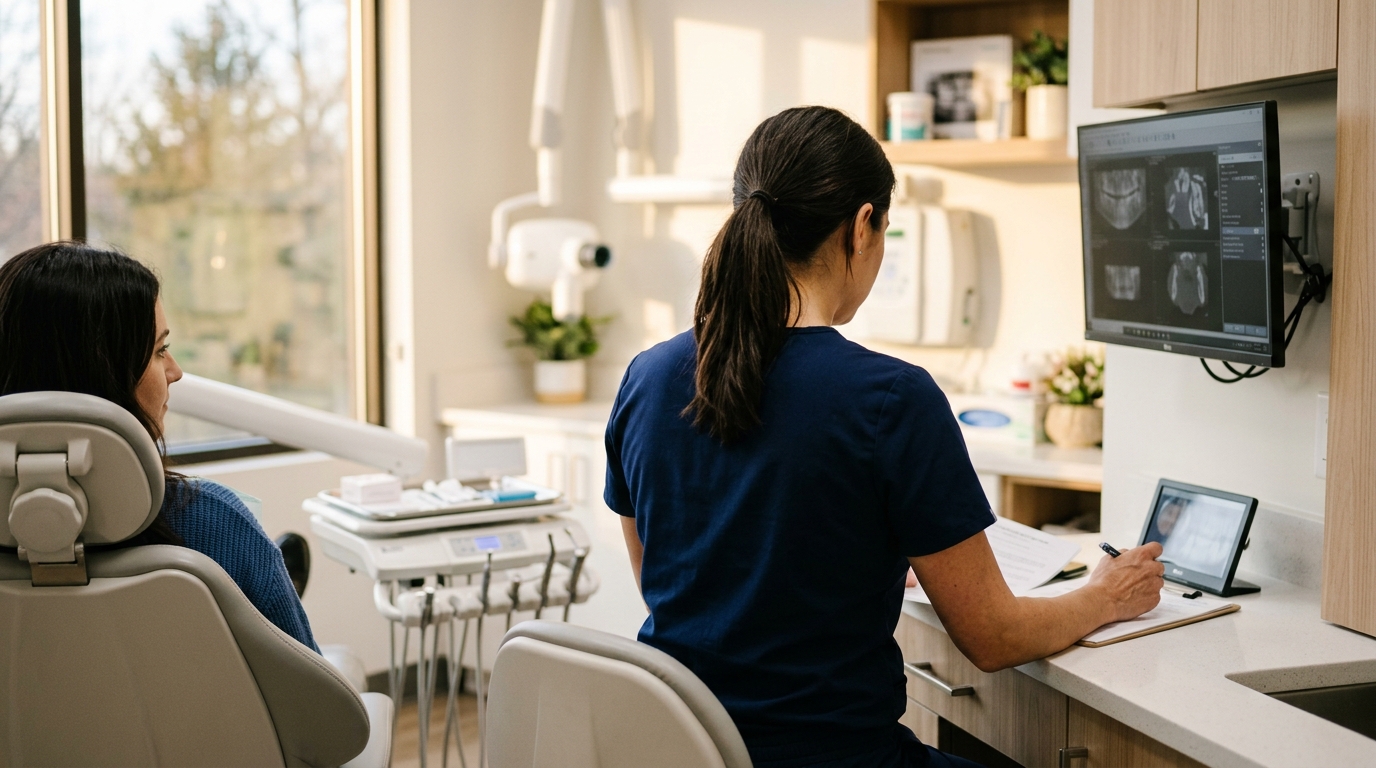
When searching for an orthodontist in Medina OH, your first consultation is more than a quick look at your teeth. It is your chance to gather the information you need to make a confident decision about your smile. The questions below will help you evaluate any practice before you sign a treatment agreement.
What Credentials and Training Should I Look For?
The success of your treatment depends on the skill and expertise of the professionals guiding it. Orthodontic doctors receive specialized training beyond general dentistry, but experience can vary. Ask specifically whether the provider completed an accredited orthodontic residency program and whether they hold or are pursuing board certification.
Following completion of a minimum of eighteen months of a CODA-accredited orthodontic residency program, the first step in achieving board certification is to take the American Board of Orthodontics Written Exam. A provider who has pursued or achieved this credential has demonstrated a measurable commitment to clinical standards.
Also ask whether the practice treats children, teens, and adults. Not every orthodontist in Medina OH accepts patients of every age group. Some practices focus on orthodontic care only for children or specifically for adults, while others are competent to help anyone, regardless of age.
Which Treatment Options Are Available for My Case?
There is rarely a one-size-fits-all approach. Ask which option the provider recommends and why, and whether multiple approaches could work. Common options include traditional metal braces, ceramic braces, and clear aligners such as Invisalign.
Ask your orthodontist to explain the available solutions, such as traditional metal braces, ceramic braces, or clear aligners. Each option has unique benefits, and your orthodontist should tailor recommendations to your dental needs, lifestyle, and aesthetic preferences.
The table below outlines key differences to discuss at your consultation:
|
Factor |
Metal Braces |
Clear Aligners |
|
Visibility |
Visible brackets |
Nearly invisible |
|
Removability |
Fixed |
Removable |
|
Best for |
Complex cases, all ages |
Mild to moderate cases |
|
Lifestyle impact |
Food restrictions apply |
Fewer food restrictions |
Invisalign for teens is an excellent alternative to traditional braces, providing a discreet, comfortable way to straighten teeth. Traditional metal braces remain a strong option and are smaller, more comfortable, and more attractive than ever, making them popular for patients of all ages.
What Will Treatment Cost and How Is Payment Handled?
Cost is one of the most common concerns patients have before starting treatment. Ask your provider to explain every option that applies to your case, and be sure to discuss factors like cost, visibility, comfort, treatment length, and how each method might fit with your lifestyle.
Your orthodontist should provide flexible in-house financing options for treatment. Most orthodontists offer convenient monthly installments, which makes out-of-pocket obligations much easier to manage. You may also want to ask about the cost of emergency visits and follow-up appointments, as well as whether they offer a retainer program.
Papandreas Orthodontics firmly believes that cost should not be a barrier to receiving high-quality orthodontic care, and the practice accepts most orthodontic insurance plans, contacting your insurance company to determine benefits and file paperwork on your behalf. For self-pay patients, flexible payment options are available, and a Financial Coordinator will work with you to create a monthly payment plan that fits within your budget.
Frequently Asked Questions
What is the difference between a dentist and an orthodontist? An orthodontist completes dental school plus an additional accredited residency program focused specifically on diagnosing and correcting bite and alignment issues. A general dentist does not receive this specialized training.
At what age should a child first see an orthodontist? Orthodontics is for all ages; there is a treatment for children (Early treatment or Phase 1 Orthodontics), adolescents, adult treatments, and even surgical orthodontics. Many providers recommend an initial evaluation around age seven.
What questions should I ask about treatment timeline? Ask what type of treatment is recommended for your case and why, how long treatment will take from start to finish, and how often you will need adjustment or check-in visits.
Does a free consultation mean I am committed to treatment? No. A complimentary consultation is an opportunity to gather information, ask questions, and compare practices before making any decision.
If you are ready to take the next step, Papandreas Orthodontics serves patients in Medina and surrounding communities with complimentary consultations, flexible payment plans, and treatment options for children, teens, and adults. Arriving prepared with these questions will help you get clear answers and walk away confident in your choice.