
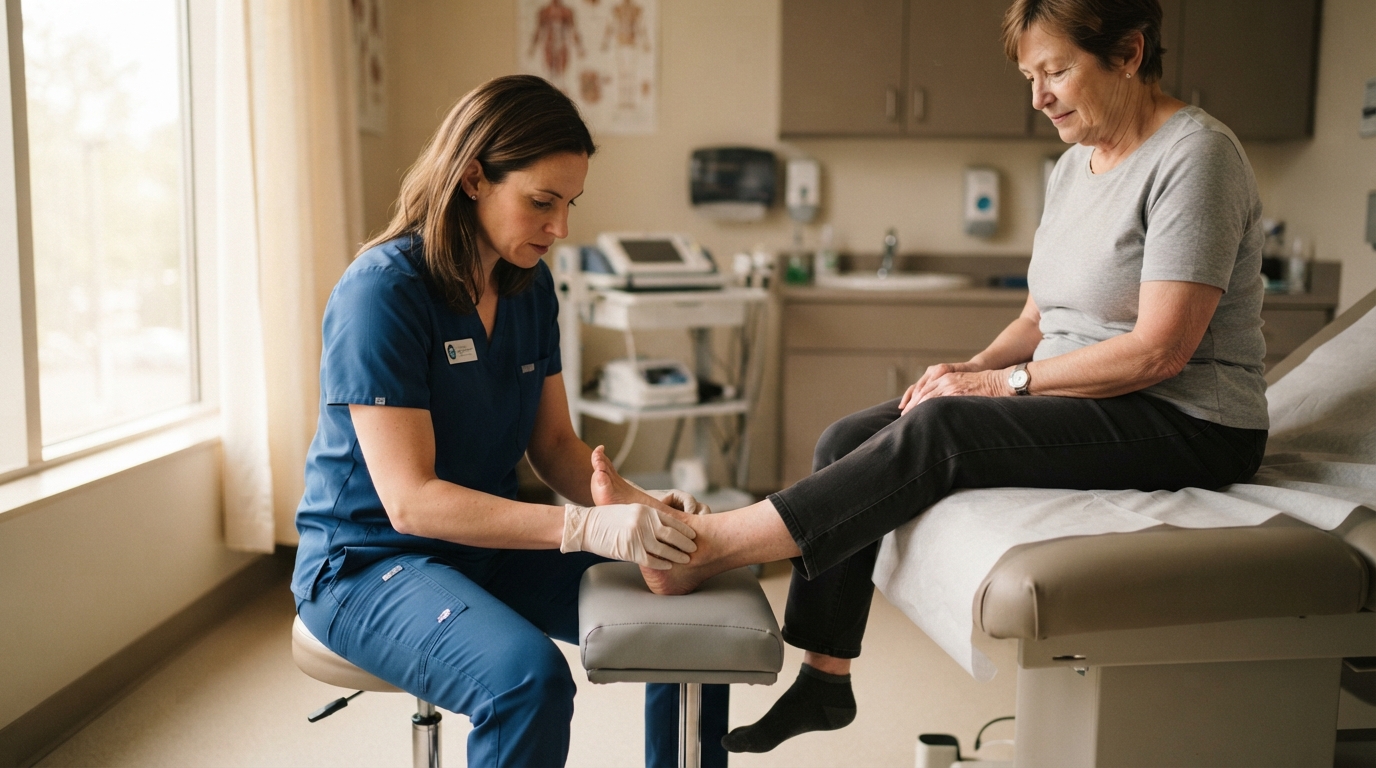
• Heel pain treatment typically starts with conservative steps like rest, stretching, and supportive footwear before advanced care is needed.
• Waiting too long or relying on guesswork often turns a short-term irritation into a chronic problem.
• Professional evaluation helps identify the right stage of care instead of skipping straight to unnecessary or ineffective fixes.
Most heel pain responds well to early, targeted conservative care rather than waiting it out or self-treating indefinitely. Delaying proper diagnosis or applying the wrong remedy is often what turns a manageable ache into a lingering condition.
One of the most common errors is treating every case of heel discomfort the same way, regardless of cause. Heel Pain Treatment Cypress TX works best when it matches the underlying issue, since plantar fasciitis, heel spurs, and Achilles-related strain each respond differently to rest, stretching, or supportive devices.
Common Mistake: Ignoring Early Symptoms
Many people dismiss first-step morning pain as a minor inconvenience rather than a warning sign. Research shows plantar fasciitis results in pain in the heel and bottom of the foot that is usually most severe with the first steps of the day or following a period of rest. Left unaddressed, this pattern frequently worsens with continued activity on hard surfaces or unsupportive shoes.
• Pain that fades after a few minutes of walking, then returns later in the day
• Soreness concentrated under the heel or along the arch
• Stiffness after sitting for extended periods
Plantar fasciitis accounts for a large share of these cases. According to a 2025 clinical review, it is a frequent cause of heel pain, affecting approximately 4 to 9% of the general population, particularly individuals aged 40 to 60 years old, and it drives roughly a million outpatient visits annually in the United States, according to the same source.
Common Mistake: Jumping Straight to Aggressive Treatments
Some people assume severe pain requires an immediate injection or surgical consult, skipping the stages most clinical guidance recommends first. The American Academy of Family Physicians notes that most patients with heel pain improve with conservative treatment, and surgical management should be reserved for recalcitrant cases. Initial care for plantar fasciitis generally includes rest and activity modification, stretching and strengthening exercises, NSAIDs or analgesics, ice massage, and arch support.
Physical therapy guidelines reinforce this stepwise approach. The American Physical Therapy Association’s guidance indicates that stretching the gastrocnemius and soleus muscles, and especially the plantar fascia, reduces pain and disability in plantar fasciitis, and that a 1- to 3-month program of night splints can help for people whose pain is worst with the first step in the morning.
|
Treatment Stage |
Typical Approach |
When It’s Used |
|
Initial |
Stretching, rest, NSAIDs, supportive footwear |
First few weeks of symptoms |
|
Intermediate |
Orthotics, night splints, manual therapy |
Persistent pain after 4-6 weeks |
|
Specialized |
Shockwave therapy, targeted injections |
Chronic or recalcitrant cases |
|
Surgical |
Fasciotomy or related procedures |
Last resort after failed conservative care |
Common Mistake: Overlooking Footwear and Daily Habits in Cypress, TX
Heat, humidity, and long stretches of walking on concrete or tile are common in Cypress, TX, and worn-out or unsupportive shoes can accelerate heel strain in these conditions. Switching shoes only after pain becomes severe, rather than at the first sign of discomfort, is a frequent setback in recovery.
• Replace athletic or walking shoes once tread wears unevenly
• Avoid walking barefoot on hard flooring for extended periods
• Add arch support for standing jobs or long outdoor activity
Read more about heel pain treatment serves patients across Cypress, TX, with non-surgical options such as therapy, stretching programs, and custom orthotics for heel discomfort. Clinical resources from the National Library of Medicine also outline how staged treatment frameworks are used to match therapy intensity to symptom severity.
Frequently Asked Questions
How long does heel pain usually take to improve with conservative care? Timelines vary, but structured stretching programs are generally designed to produce measurable relief within one week to four months, based on physical therapy guidelines for plantar fasciitis.
Is heel pain always caused by plantar fasciitis? No. While plantar fasciitis is the most frequent cause, heel spurs, Achilles tendon issues, and stress-related strain can also produce similar symptoms and require different evaluation.
When should someone stop self-treating and seek evaluation? Pain that persists beyond a few weeks despite rest, stretching, and supportive footwear typically warrants a professional assessment to rule out other causes and confirm the right treatment stage.
Are injections or surgery usually the first step? No. Clinical guidance consistently favors conservative measures first, reserving injections or surgical options for cases that do not respond to initial and intermediate care.
Learn More About Heel Pain Care
Current service details for Read more about heel pain treatment are published for the Cypress, TX service area.