
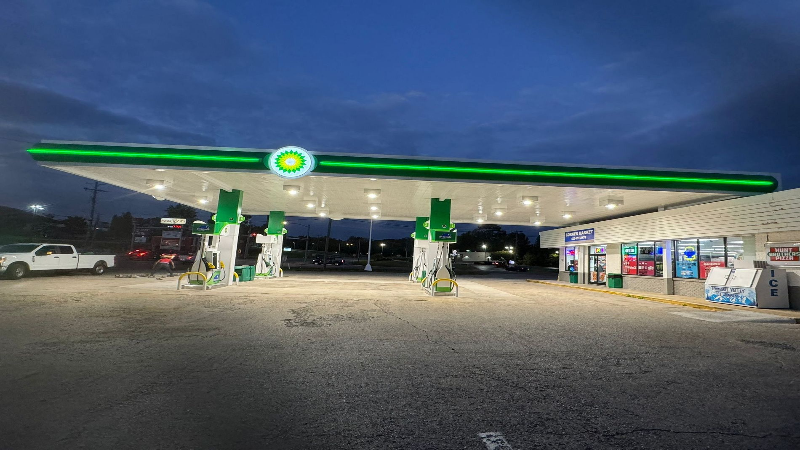
Safety is a top priority for any business, especially those in the fuel and service industry. When it comes to building or renovating a fuel station, the process involves much more than just architectural design and construction. Gas station canopy installation is a vital task that requires careful planning and adherence to strict safety standards. This article highlights the key safety considerations every USA business should know before starting a canopy installation project.
Understanding Safety Regulations and Compliance
Before embarking on any installation, businesses need to understand the safety regulations that govern this type of construction. The Occupational Safety and Health Administration (OSHA) and local authorities have established guidelines to ensure that canopies are built to withstand environmental factors and protect both employees and customers. Following these regulations helps reduce liability and ensures the long-term safety of the structure.
Key compliance points include:
• Verifying that all building materials meet fire resistance and wind load standards
• Ensuring proper electrical grounding to prevent hazards
• Maintaining clear access for emergency vehicles and personnel
Adhering to these rules not only meets legal requirements but also demonstrates a commitment to workplace and public safety.
The Importance of Site Assessment and Planning
A thorough site assessment is critical before any construction begins. This step identifies potential hazards and helps create a plan to address them. For gas station canopy installation, businesses should consider:
• Soil stability and drainage to prevent foundation shifting
• Proximity to underground fuel tanks and utility lines
• Weather patterns and exposure to high winds or heavy snow
By addressing these factors early, businesses can mitigate risks and avoid costly delays.
Safe Installation Practices and Worker Protection
The actual installation phase introduces its own set of safety concerns. Workers are often required to operate at heights or handle heavy materials, which elevates the risk of accidents. Key safety practices include:
• Using certified lifting equipment and regularly inspecting it for defects
• Providing appropriate personal protective equipment (PPE), such as hard hats, harnesses, and gloves
• Implementing clear communication protocols among crew members
Routine safety briefings and ongoing training can further minimize the risk of injury during the installation process.
Regular Maintenance and Inspection
Safety does not end once the canopy is installed. Regular inspections and maintenance are crucial to ensure ongoing protection for both employees and customers. This includes checking for structural integrity, inspecting lighting fixtures, and clearing debris that could lead to accidents. Scheduled maintenance allows businesses to identify issues before they become hazards and helps maintain compliance with safety standards.
The Value of Professional Expertise
While some businesses may consider managing the installation themselves, partnering with experienced professionals ensures that all safety considerations are addressed. Industry specialists are familiar with the latest safety practices and can help navigate complex regulations. For those seeking more information on best practices for gas station canopy installation, visiting a reputable resource can provide helpful guidance.
Key Takeaways
Gas station canopy installation involves more than just construction; it is a process rooted in safety and regulatory compliance. From initial site assessment to ongoing maintenance, every step requires careful attention to detail. By understanding and implementing essential safety practices, USA businesses can protect their staff, customers, and investment for years to come.
If your business is considering a canopy installation or needs expert advice on maintaining safety standards, consult with industry professionals to ensure your project meets all requirements and prioritizes safety at every stage.