
Key point:
• Consistent elevator service reduces breakdowns, extends equipment life, and lowers long-term repair costs for building owners.
• Preventive maintenance programs catch wear on parts like ropes, doors, and safety devices before they cause costly failures.
• Code-required inspections and documented maintenance records help buildings avoid violations and compliance penalties.
Elevator breakdowns rarely happen without warning signs. Worn cables, misaligned doors, and aging control systems typically show early symptoms long before a full failure strands passengers or forces an expensive emergency repair.
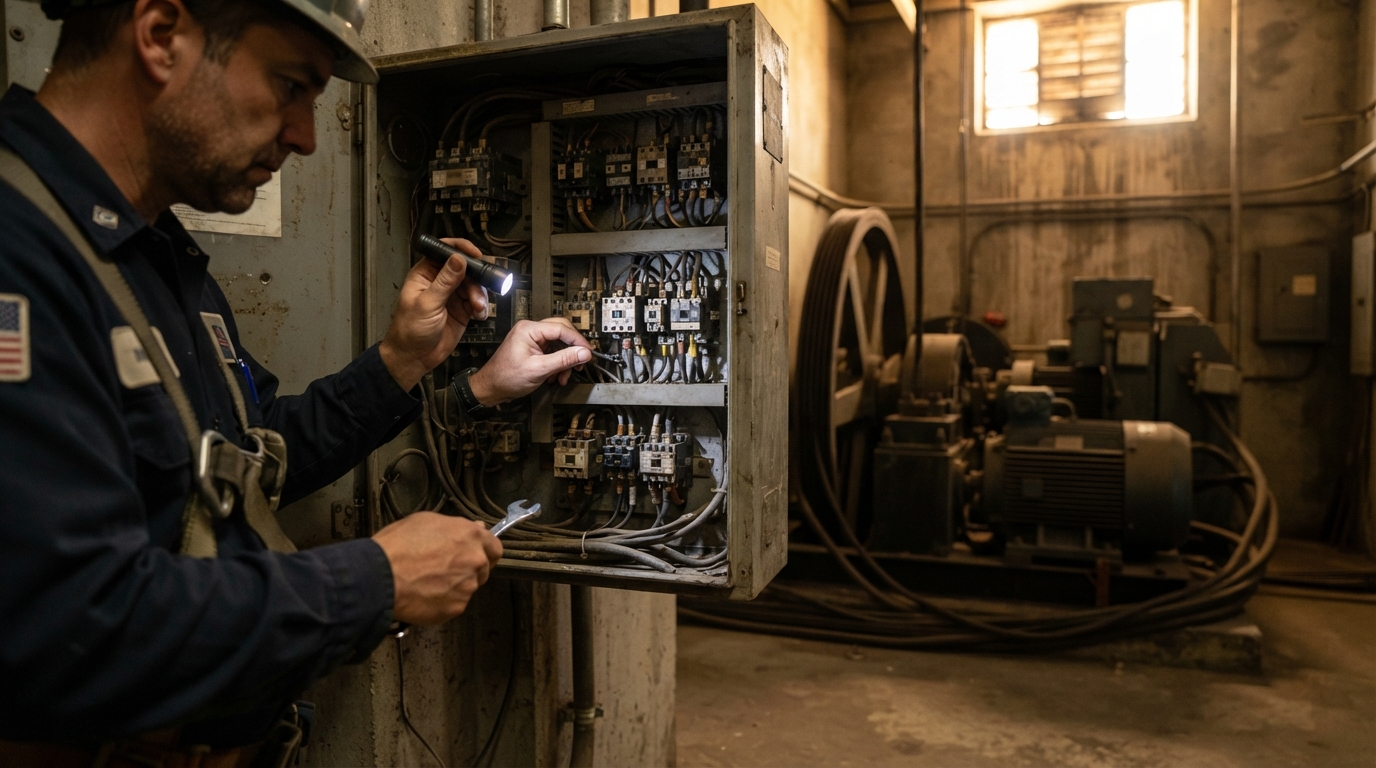
Building owners who schedule elevator service in New York City on a consistent basis tend to spend less over the life of their equipment than those who wait for something to break. Preventive visits catch small mechanical issues, like worn hoist ropes or sticking door sensors, while they are still inexpensive to fix. Deferred maintenance, by contrast, allows minor wear to compound into major component failures that require full replacement rather than adjustment.
Why Deferred Maintenance Raises Repair Bills
Skipping or stretching out service intervals does not eliminate wear on elevator components. It only delays the point at which that wear becomes visible, usually as a breakdown.
• Worn parts left unaddressed often damage adjacent components, turning a single-part repair into a multi-system overhaul.
• Emergency repairs typically cost more than scheduled maintenance because they require rush labor and expedited parts.
• Unplanned downtime disrupts building operations, tenant access, and in some cases life-safety egress during emergencies.
Elevator safety and maintenance requirements in the United States are governed by the ASME A17.1 Safety Code, which covers design, installation, testing, and ongoing maintenance for elevators and escalators across most jurisdictions. Under this code framework, routine or periodic inspection is typically required annually for most passenger elevators, though some jurisdictions require semi-annual inspections. Facilities that fall behind on these cycles risk both equipment failure and compliance exposure. The ASME A17.1 Safety Code is the primary technical reference used by inspectors and maintenance providers to determine what a compliant program must include.
What a Consistent Maintenance Program Actually Covers
A documented maintenance control program is not a single visit. It is a recurring schedule built around the specific equipment type, usage level, and applicable code edition.
1. Routine mechanical checks on door operators, hoist ropes, guide rails, and braking systems to catch wear before it spreads.
2. Lubrication and adjustment of moving parts to reduce friction-related strain on motors and drive systems.
3. Safety device testing , including interlocks and emergency communication systems, to confirm they function as required.
4. Documentation and reporting that tracks what was serviced, when, and what was flagged for follow-up.
This structured approach is the core offering behind most professional elevator maintenance programs, including those built around code adherence and inspection readiness rather than reactive fixes.
Maintenance Approach Comparison
<
|
Approach |
Typical Cost Pattern |
Downtime Risk |
Compliance Outcome |
|
Reactive (repair only when broken) |
Higher per-incident cost; unpredictable |
High; often unplanned |
Frequent risk of violations between fixes |
|
Scheduled preventive maintenance |
Lower average cost over time |
Reduced; planned service windows |
Easier to maintain inspection readiness |
|
Full modernization |
High upfront investment |
Planned, project-based |
Resets equipment to current code standards |
Service, Repair, and Compliance Work Together
Maintenance, repair, and code compliance are connected functions rather than separate services. A building that keeps up with scheduled maintenance generally needs fewer emergency repairs and faces fewer violation notices during inspection cycles.
Champion Elevator, an independently owned, full-service elevator company, has provided dependable, code-compliant elevator service for commercial, residential, and mixed-use buildings for over a decade. The company’s work spans elevator maintenance programs, repairs and modernization support, testing and inspections, violation removal and code compliance, and preventive maintenance with emergency response, serving New York City’s five boroughs, Westchester County, the Hudson Valley, Nassau and Suffolk Counties, Connecticut, and New Jersey.
Frequently Asked Questions
How often should an elevator receive preventive maintenance? Frequency depends on usage and equipment type, but most passenger elevators require at minimum an annual inspection under ASME A17.1, with more frequent maintenance visits recommended for higher-traffic buildings.
Does regular maintenance actually lower repair costs? Yes. Catching wear early through scheduled visits generally costs less than emergency repairs, which involve rush labor, expedited parts, and potential downtime losses for building occupants.
What happens if a building skips required inspections? Buildings that fall behind on inspections risk both unexpected mechanical failures and code violations, which can carry financial penalties and operational restrictions until resolved.
Is modernization the same as maintenance? No. Maintenance addresses ongoing wear on existing equipment, while modernization involves upgrading or replacing major components to meet current performance or code standards.
Consistent elevator service is less about any single repair and more about the pattern of attention a building commits to over time. Property owners and managers who want a closer look at how a structured maintenance and inspection program could apply to their building can Visit Website to review service options directly.