
At glance:
• Emergency pet surgery in Indianapolis covers urgent procedures like foreign body removal, C-sections, pyometra, and mass removal.
• Knowing what to expect before, during, and after surgery helps reduce stress and supports better outcomes for your pet.
• Affordable surgical options exist locally, so cost does not have to be a barrier to getting your pet the care they need.
When a pet faces a sudden, life-threatening condition, surgery may be the only path to recovery. Understanding how to prepare, what questions to ask, and where to find accessible care can make a meaningful difference in those critical moments.
If you are searching for Emergency Pet Surgery In Indianapolis IN, knowing which procedures qualify as urgent and how local facilities handle them is the first step toward acting quickly and confidently.
What Qualifies as Emergency Pet Surgery
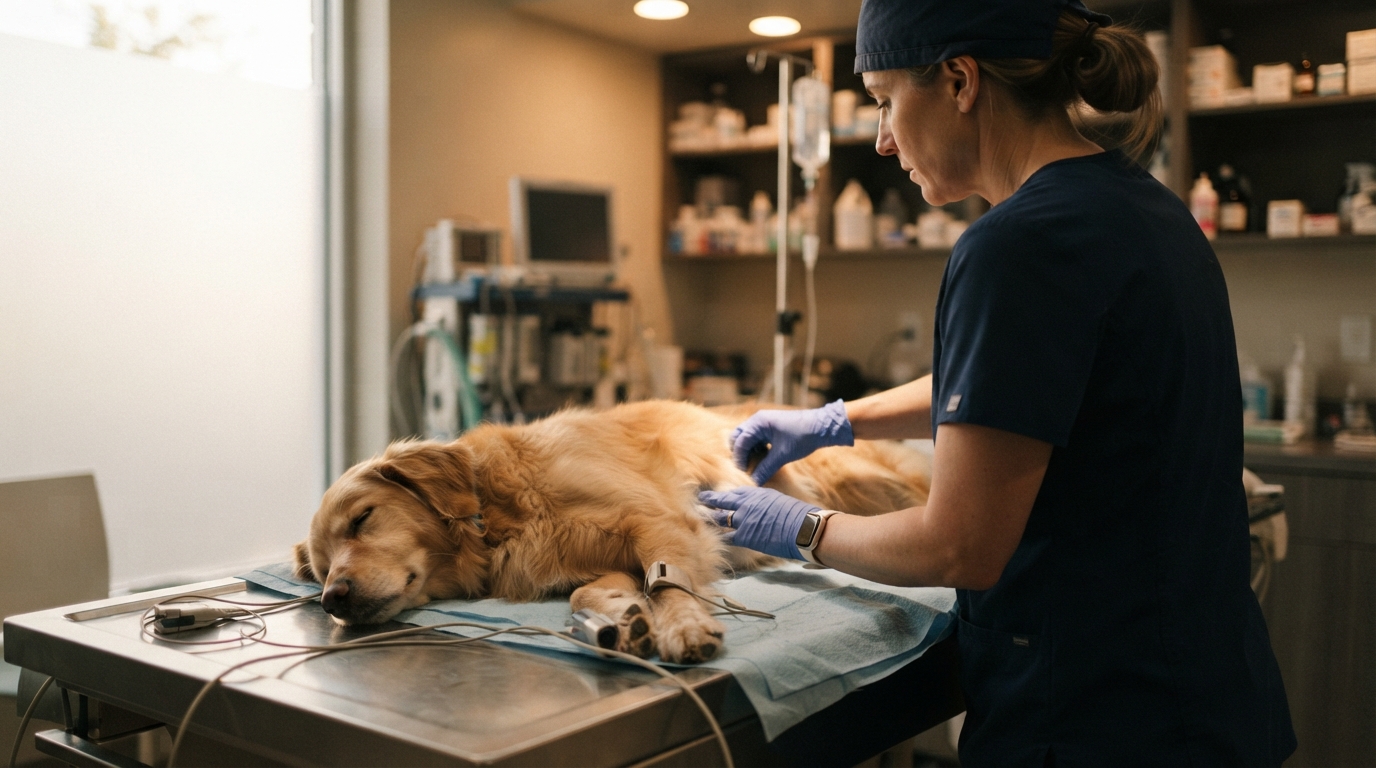
Not every veterinary visit becomes a surgical emergency, but some conditions cannot wait for a routine appointment. Some conditions cannot wait for routine treatment, and emergency pet surgery services address urgent surgical needs based on the pet’s condition and the procedures a given facility provides.
Common urgent surgical situations include:
• Foreign body removal, C-sections, pyometra surgery, cystotomy, mass removal, and splenectomy.
• Laceration repairs and fracture stabilization following trauma.
• Bladder obstructions causing severe pain or life-threatening complications.
When a pet is faced with a sudden injury or life-threatening condition, immediate surgical intervention can be critical. Recognizing warning signs early, such as labored breathing, a distended abdomen, uncontrolled bleeding, or sudden collapse, gives your veterinarian the best chance to act in time.
How to Prepare Before the Procedure
Preparation varies depending on whether surgery is planned or truly emergent. For any surgical procedure, the American Veterinary Medical Association recommends that pet owners stay actively involved in their pet’s care decisions and maintain open communication with their veterinary team.
General pre-surgery steps that apply in most situations:
• Follow fasting instructions. Most anesthesia protocols require withholding food for several hours beforehand.
• Gather your pet’s medical history, including current medications and any known allergies.
• Arrive on time. For urgent cases, prompt arrival allows triage to begin immediately.
• Ask about the procedure, anesthesia monitoring, and post-operative pain management before signing consent forms.
While any medical procedure carries some level of risk, anesthesia is much safer today due to advancements in veterinary medicine and monitoring technology. A pre-anesthetic evaluation, which typically includes a physical exam and bloodwork, helps the surgical team tailor the safest protocol for your individual pet.
Comparing Common Emergency Surgical Procedures
Understanding what different procedures involve can help owners ask better questions and set realistic expectations.
|
Procedure |
Common Trigger |
Typical Urgency |
|
Foreign Body Removal |
Ingested object causing blockage |
High – hours matter |
|
Pyometra Surgery |
Uterine infection in unspayed females |
High – life-threatening |
|
C-Section |
Difficult or failed labor |
High – mother and offspring at risk |
|
Mass Removal |
Rapidly growing or bleeding tumor |
Moderate to High |
|
Laceration Repair |
Deep wounds from trauma or bites |
Moderate – infection risk |
Recovery and Post-Operative Care at Home
The period after surgery is just as important as the procedure itself. Your home environment can make recovery easier for your pet. Before your appointment, prepare a quiet and comfortable area that allows your pet to rest without unnecessary activity.
Practical steps for a smooth recovery:
• Set up a clean, low-traffic resting space with soft bedding and easy water access.
• Limit stairs, jumping, and rough play until cleared by the veterinary team.
• Administer pain medications only as prescribed, and never adjust dosing without guidance.
Knowing what is normal and what is concerning can help protect your pet. Contact your veterinarian if you notice excessive bleeding, severe swelling, difficulty breathing, loss of appetite that continues, or signs of increasing pain.
Frequently Asked Questions
Do I need a referral for emergency pet surgery in Indianapolis? Referral requirements vary by facility. If your pet requires surgery and cost is a concern, ask your veterinarian about referring you to a specialized surgery center. Some urgent cases are accepted directly.
What surgical services are available for urgent cases? A wide range of surgical services is available, from small mass removals and laceration repairs to the urgent and emergent surgeries pets experience every day.
Is affordable emergency surgery available in Indianapolis? Yes. Some local centers provide a wide range of surgeries at a cost that will not cause financial distress to the owner. Asking about pricing upfront and requesting an itemized estimate before proceeding is always reasonable.
What is the mission behind low-cost surgical centers? The goal of accessible surgical centers is to reduce the number of pets euthanized for “fixable” issues by improving access to surgical care.
If your dog or cat needs urgent surgical care and cost is a concern, All Pet Low Cost Surgery Center offers a range of emergency and soft tissue surgical procedures for pets in Indianapolis. Located at 3825 W. Washington St., Indianapolis, IN 46241, the center specializes in affordable, high-quality veterinary surgical services ranging from mass removals and laceration repairs to urgent and emergency surgeries. Reach out to their team directly to discuss your pet’s needs and confirm which procedures their facility can address.