
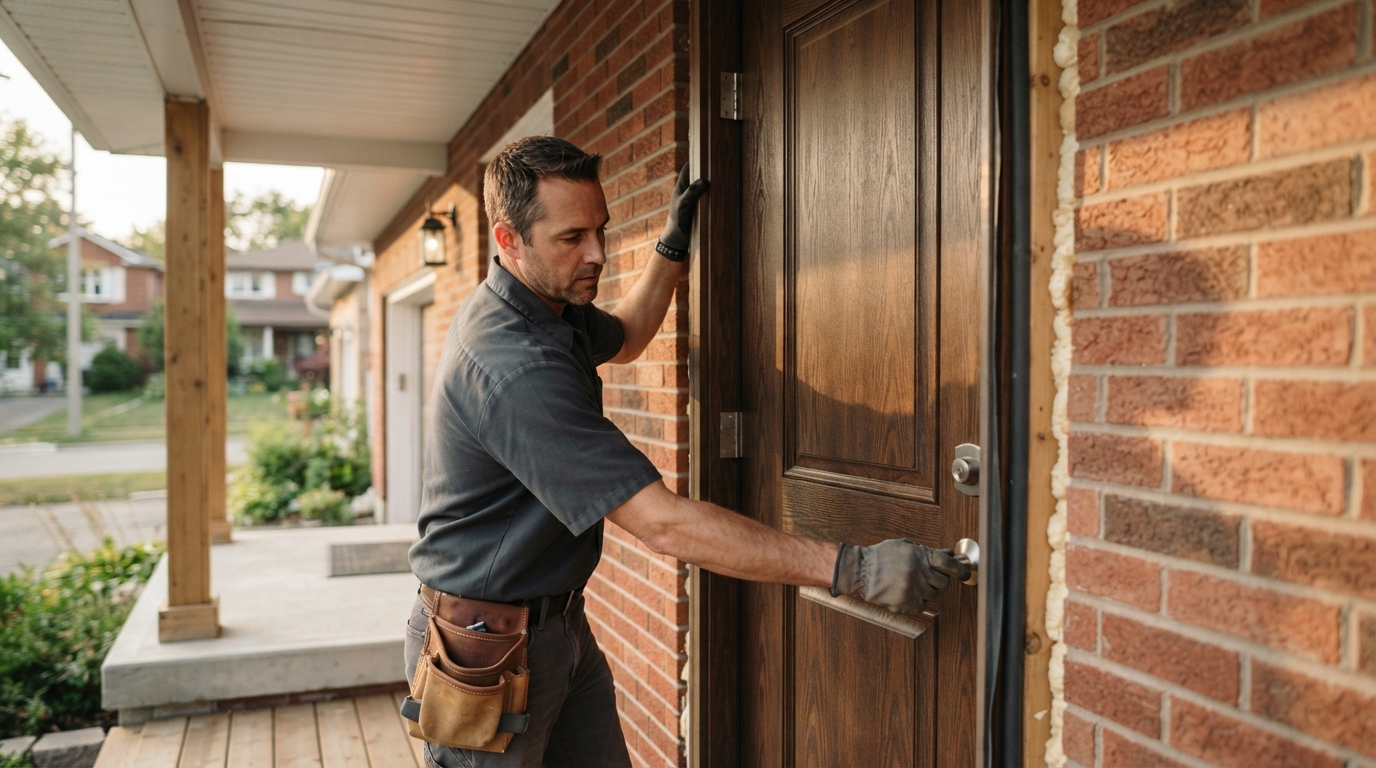
• A door store supplies and fits interior and exterior door styles suited to home layout, climate exposure, and energy performance.
• Material choice (wood, fiberglass, steel) affects insulation, maintenance, and durability in Omaha, NE weather conditions.
• Proper sizing and weatherproofing matter as much as style when replacing exterior entry doors.
Homeowners searching for a door store are typically trying to replace a worn entry door, update interior passage doors, or compare materials before a renovation. A reliable source carries both interior and exterior lines, along with the measuring and installation knowledge needed to match a door to its opening.
Choosing the right Door Store matters because doors affect more than appearance. Exterior doors influence home security and energy loss, while interior doors affect sound control and room function, so the selection process should weigh material, insulation value, and hardware compatibility before style.
Interior Door Options Worth Comparing
Interior doors are chosen mainly for function, noise control, and how they fit a home’s existing trim and flow.
• Hollow-core doors – lightweight and budget-friendly, common for closets and low-traffic rooms.
• Solid-core doors – heavier and better at reducing sound, often used for bedrooms and home offices.
• French or glass-panel doors – used to bring light into interior spaces like dens or dining rooms.
• Barn-style sliding doors – a space-saving option for small rooms or tight hallways.
Each style carries different installation requirements, particularly around frame alignment and hardware weight capacity, which is why measuring an existing opening accurately before ordering matters.
Exterior Door Materials and Performance
Exterior doors face direct exposure to temperature swings, moisture, and wind, so material selection has a bigger long-term impact than with interior doors.
|
Material |
Durability |
Maintenance |
Best Use |
|
Fiberglass |
High resistance to warping |
Low, occasional refinishing |
Front entry doors |
|
Steel |
Strong security profile |
Low, watch for dents |
Side or back entry |
|
Wood |
Classic appearance |
Higher, needs sealing/staining |
Covered entries |
Fiberglass and steel doors generally hold up better against freeze-thaw cycles and humidity swings typical of the Midwest, while wood doors need more consistent upkeep to prevent swelling or cracking. The U.S. Department of Energy notes that replacing older, poorly sealed doors can reduce air leakage and improve a home’s overall energy efficiency.
Sizing, Energy Ratings, and Local Climate Factors
Omaha, NE experiences cold winters and humid summers, which puts real stress on door seals, thresholds, and frame materials over time. Buyers should ask about:
1. Weatherstripping quality – affects draft resistance during winter months.
2. U-factor and energy ratings – lower U-factor values generally indicate better insulation.
3. Frame material compatibility – wood frames may need different flashing than vinyl or composite frames.
4. Threshold height and sill design – influences water drainage away from the entry point.
Getting accurate measurements before ordering avoids costly returns, since door openings in older homes are not always standard sized.
Business Info
Based in La Vista, NE, Window Innovations serves customers across Omaha, NE, providing interior and exterior door options alongside guidance on material and sizing decisions suited to regional weather patterns.
Frequently Asked Questions
What is the difference between a hollow-core and solid-core interior door? Hollow-core doors are lighter and less expensive, while solid-core doors offer better sound insulation and a sturdier feel, making them more common for bedrooms or offices.
Which exterior door material holds up best in cold climates? Fiberglass and steel doors tend to resist warping and moisture damage better than wood, which requires more frequent sealing to prevent swelling or cracking.
Can an existing door frame be reused when replacing an exterior door? It depends on the frame’s condition; a frame with rot, warping, or air leaks usually needs replacement along with the door to maintain a proper seal.
How does door insulation affect energy costs? Doors with lower U-factor ratings and intact weatherstripping reduce air leakage, which can help regulate indoor temperature and reduce strain on heating and cooling systems.
Final Notes
Selecting between interior and exterior door options involves balancing appearance with material performance, sizing accuracy, and climate resistance. Current availability details for Window Innovations are published for the local service area.