
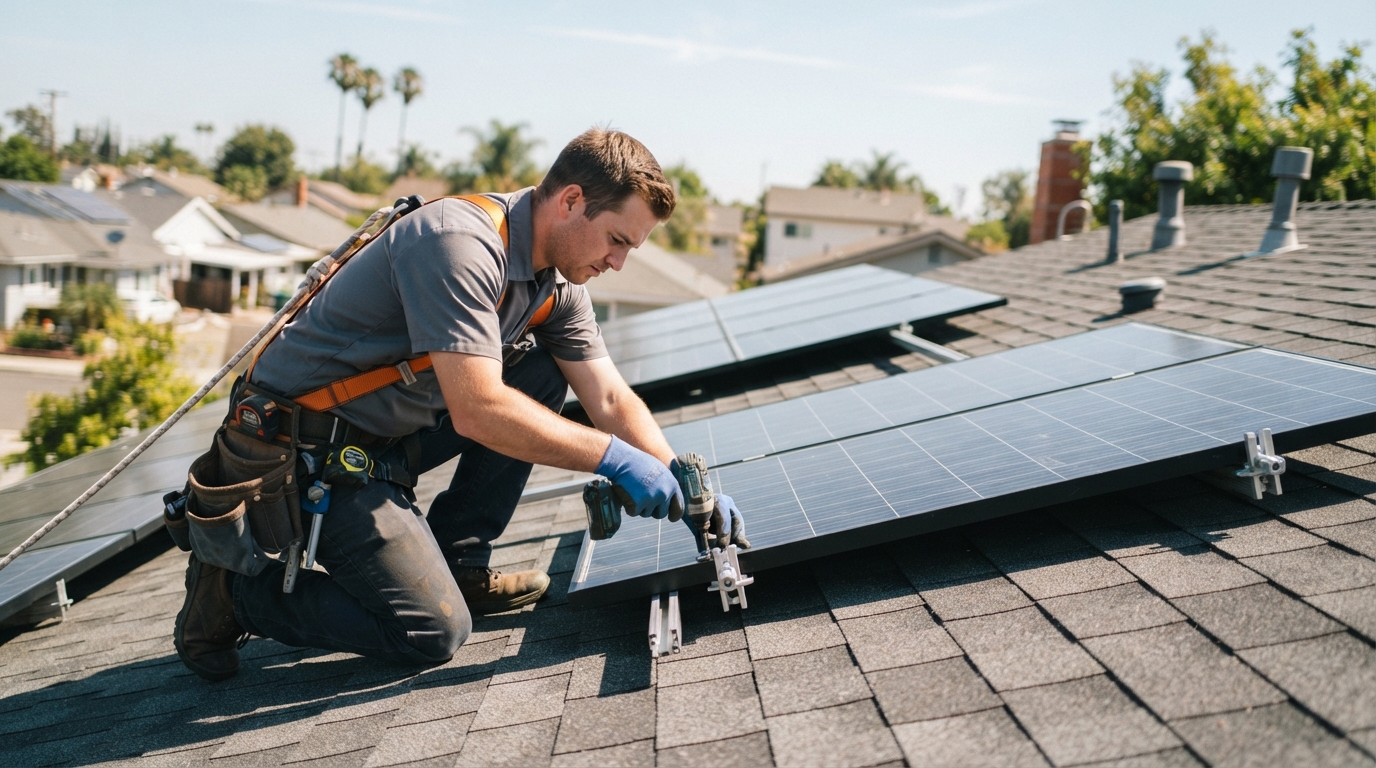
• A solar energy company designs, installs, and maintains photovoltaic systems for homes and businesses, guiding permitting, equipment selection, and utility interconnection.
• Florida homeowners benefit from state-level protections such as a property tax exemption for solar equipment and net metering rules set by the Florida Public Service Commission.
• Services commonly include residential and commercial solar panel installation, system monitoring, maintenance, and panel removal or reinstallation for roof work.
A solar energy company plans, installs, and services photovoltaic systems that convert sunlight into usable electricity for homes and businesses. These companies typically handle everything from site evaluation and permitting through equipment installation and long-term system monitoring.
Choosing a Solar Energy Company involves more than comparing equipment brands. Installers differ in how they handle permitting timelines, utility interconnection paperwork, and post-installation support, all of which affect how quickly a system starts producing savings and how reliably it performs over its lifespan.
Based in USA, Transform Solar serves customers across Tampa, FL, offering residential and commercial solar panel installation along with related system services.
What Solar Companies Actually Do
Installers manage a sequence of technical and administrative steps that most homeowners are not equipped to handle alone.
• Site assessment: evaluating roof condition, orientation, shading, and structural capacity before design work begins.
• System design: sizing panels, inverters, and optional battery storage to match household or business energy use.
• Permitting and interconnection: submitting applications to local building departments and the utility serving the property.
• Installation and commissioning: mounting equipment, wiring the system, and activating it once inspections are complete.
• Ongoing service: monitoring performance, scheduling maintenance, and handling panel removal or reinstallation when roof work is needed.
These stages generally mirror federal guidance on the solar adoption process outlined in the Department of Energy’s homeowner’s guide to solar, which also notes that energy efficiency upgrades can reduce how large a system needs to be.
Why Local Conditions in Tampa, FL Shape Installation Decisions
Florida’s climate and regulatory environment create specific considerations for anyone evaluating solar in Tampa, FL.
• High solar irradiance throughout most of the year supports strong system output, but intense heat can reduce panel efficiency during peak summer months.
• Hurricane-prone conditions make mounting hardware and roof attachment methods a priority during installation planning.
• Net metering in Florida is governed by Florida Public Service Commission Rule 25-6.065, which requires investor-owned utilities to credit customers for excess solar generation, though credit structures vary depending on when a system was interconnected.
• Florida offers a property tax exemption for the added value solar equipment brings to a home, reducing one of the ongoing costs tied to system ownership.
Homeowners should confirm current interconnection requirements with their specific utility provider, since application steps and system sizing tiers can differ between companies serving the same region.
Comparing Common Solar Service Types
|
Service Type |
Typical Use Case |
Who It Fits |
|
Residential installation |
New rooftop system for a single-family home |
Homeowners reducing monthly utility costs |
|
Commercial installation |
Larger systems for offices or facilities |
Business owners managing operational energy costs |
|
Maintenance and monitoring |
Ongoing performance checks on an existing system |
Owners with systems already installed |
|
Panel removal and reinstallation |
Temporary removal for roof repair or replacement |
Homeowners planning roof work on an existing solar system |
Frequently Asked Questions
How long does a typical residential solar installation take? Timelines vary by jurisdiction and system size, since permitting and utility interconnection approval both affect the schedule in addition to the physical installation work itself.
Does Florida require net metering for solar customers? Florida Administrative Code Rule 25-6.065 requires investor-owned utilities, including those serving the Tampa Bay area, to offer net metering to qualifying customer-generators, though billing details depend on system size and interconnection date.
What happens to solar panels during a roof replacement? A qualified installer can remove panels before roofing work begins and reinstall them afterward, which protects both the roofing warranty and the solar equipment.
Is maintenance required after installation? Photovoltaic systems generally require minimal upkeep, though periodic monitoring and occasional inspections help confirm the system continues operating at expected output levels.
Final Thoughts
Selecting an installer for a solar project involves weighing technical capability, familiarity with local permitting and utility rules, and the scope of post-installation support offered. Homeowners and business owners in Tampa, FL evaluating solar options benefit from understanding both the installation process and the state-level rules that affect long-term savings. Published details for Transform Solar outline the service area covered for residential and commercial solar work.